Have you ever thought that a common roadside weed could hold the key to better kidney health? Enter Goosegrass (Eleusine indica), an often overlooked plant that has been used for centuries in traditional medicine for its remarkable health benefits. Despite its humble appearance, Goosegrass is a powerhouse when it comes to supporting kidney function, detoxifying the body, and improving overall wellness. This natural remedy, often dismissed as a mere nuisance, can have a profound impact on kidney health, making it worth your attention.
In this article, we will dive deep into how incorporating Goosegrass into your health routine can be a game-changer for your kidneys and provide you with the tools to improve your kidney function, circulation, and well-being.
Why Goosegrass is a Kidney Health Superstar
The kidneys are essential organs that play a vital role in filtering out toxins and excess fluids from the body. However, factors such as poor dietary choices, dehydration, and exposure to environmental pollutants can hinder their function, leading to kidney strain and health issues. This is where Goosegrass shines.
Goosegrass is well-known for its natural diuretic properties, which can help ease the kidney’s workload by encouraging the excretion of excess fluids and waste products. Regular consumption of Goosegrass can also soothe inflammation in the urinary tract and support detoxification, making it an effective ally for kidney health.
Here are some of the primary benefits of Goosegrass for kidney health:
1. Natural Diuretic Action
Goosegrass helps stimulate urination, which is essential for flushing out toxins, excess salts, and metabolic waste that could otherwise accumulate in the body. By promoting frequent urination, it helps the kidneys perform their essential function of eliminating waste materials, reducing the strain on your kidneys, and preventing the build-up of harmful substances.
2. Supports Detoxification
Goosegrass aids the kidneys in their detoxification process by helping to expel waste materials, minerals, and toxins more effectively. This support can be especially beneficial for those experiencing kidney stress due to poor diet or environmental toxins, helping to ease the kidneys’ burden and promote optimal function.
3. Soothes Inflammation
Goosegrass has anti-inflammatory properties that help calm irritation and swelling in the urinary tract. This can be particularly helpful for those suffering from discomfort associated with conditions like cystitis or urinary tract infections (UTIs). By soothing irritated tissues, Goosegrass can reduce pain and promote a more comfortable, functioning urinary system.
4. Antioxidant Protection
Packed with antioxidants, Goosegrass offers protection against oxidative stress, which is a key contributor to kidney damage over time. These antioxidants help neutralize free radicals in the body, reducing the risk of chronic kidney disease and promoting the longevity of kidney cells. Regular consumption can act as a shield for your kidneys, reducing the likelihood of oxidative damage that can impair their function.
4 Easy Ways to Use Goosegrass for Kidney Health
Now that we’ve highlighted why Goosegrass is so beneficial for kidney health, let’s explore some simple and effective ways to incorporate it into your routine. Whether you’re a fan of herbal teas, tinctures, or simple infusions, there are several ways you can enjoy the benefits of Goosegrass.
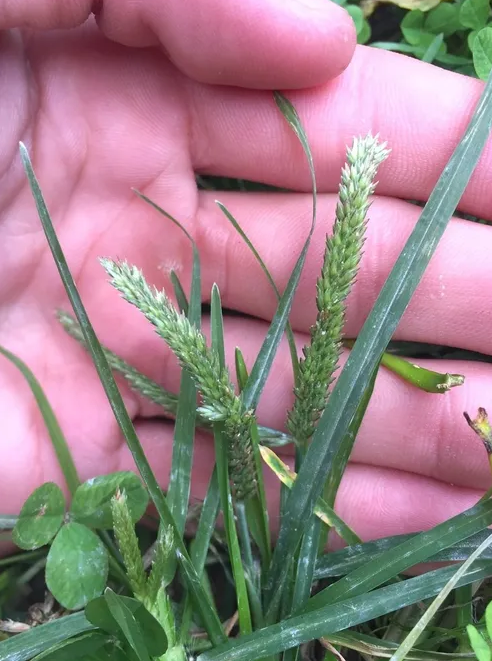
1. Goosegrass Tea: The Classic Remedy
One of the easiest and most effective ways to benefit from Goosegrass is by brewing it into a tea. This soothing beverage provides not only a refreshing detox but also helps to support kidney health with every sip. The diuretic and anti-inflammatory properties of Goosegrass make it an ideal choice for those looking to gently cleanse their kidneys and improve urinary tract function.
How to Make Goosegrass Tea:
- Ingredients: A handful of fresh or dried Goosegrass leaves (or 1-2 teaspoons of Goosegrass powder)
-
Instructions:
- Boil water in a teapot or saucepan.
- Add the Goosegrass leaves or powder to the water and let it steep for 10-15 minutes.
- Strain the tea to remove the solid pieces.
- Enjoy hot or cold, sweetened with honey if desired.
For best results, drink 1-2 cups of Goosegrass tea daily. It can be consumed either in the morning to start the day with a detox or in the evening as a soothing bedtime beverage.
2. Goosegrass Tincture: Potent and Convenient
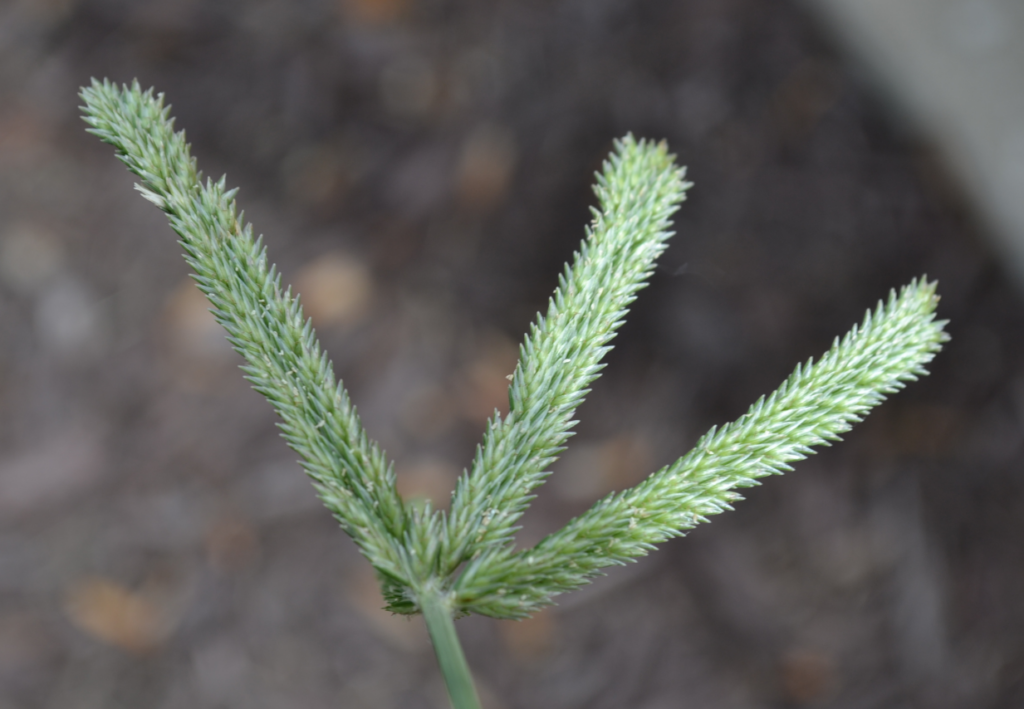
A tincture is a concentrated form of Goosegrass that allows you to benefit from its properties in a small, easily absorbable dose. It’s a great option for those who want a quick and potent way to support kidney function.
How to Make Goosegrass Tincture:
- Ingredients: Fresh Goosegrass (dried or fresh) and high-proof alcohol (e.g., vodka)
-
Instructions:
- Fill a clean glass jar with chopped fresh or dried Goosegrass leaves.
- Pour alcohol over the leaves until they are completely submerged.
- Seal the jar tightly and store it in a cool, dark place for 2-4 weeks, shaking it every few days.
- After 4 weeks, strain the tincture through a fine mesh and store it in a dropper bottle.
A few drops of Goosegrass tincture can be added to water or juice and consumed 1-2 times daily to support kidney health and detoxification.
3. Goosegrass Infused Water: A Hydrating Detox
For those who prefer a more subtle approach, you can make Goosegrass-infused water, a simple way to enjoy the plant’s benefits throughout the day.
How to Make Goosegrass Infused Water:
- Ingredients: Fresh Goosegrass leaves and water
-
Instructions:
- Wash and chop fresh Goosegrass leaves.
- Place the leaves in a jug of water and allow it to sit in the refrigerator for several hours or overnight.
- Drink the infused water throughout the day, ensuring you stay hydrated while reaping the detoxifying benefits of Goosegrass.
Infused water is a great option for those who want a light and refreshing way to support kidney function and hydration, especially during warm weather.
4. Goosegrass Poultice: Topical Relief for Inflammation
If you suffer from joint pain or inflammation associated with kidney issues, a Goosegrass poultice may offer relief. Applying the plant directly to the affected area can reduce swelling and improve circulation, easing discomfort naturally.
How to Make a Goosegrass Poultice:
- Ingredients: Fresh Goosegrass leaves and a cloth or bandage
-
Instructions:
- Crush fresh Goosegrass leaves to release their juices.
- Apply the crushed leaves directly to the affected area, such as inflamed joints or sore muscles.
- Wrap the area with a clean cloth or bandage to keep the poultice in place.
- Leave it on for 30 minutes to an hour, then remove and rinse the area with warm water.
This poultice can be used to soothe joint pain and inflammation, making it a great complement to other kidney-supporting remedies.
Final Thoughts on Goosegrass for Kidney Health
Goosegrass (Eleusine indica) is an unassuming yet incredibly powerful herb that can provide significant support for kidney health. Known for its diuretic, detoxifying, and anti-inflammatory properties, Goosegrass helps cleanse the kidneys, promote better circulation, and protect against oxidative stress. Whether consumed as a tea, tincture, or poultice, incorporating Goosegrass into your routine can offer a natural, holistic way to support kidney function and improve overall wellness.
By using Goosegrass regularly, you can give your kidneys the support they need to function at their best. As always, consult with a healthcare professional before starting any new herbal remedy, especially if you are pregnant, nursing, or on medication. Embrace the healing power of Goosegrass and take a step toward better kidney health today!
Nhận xét
Đăng nhận xét