Lactuca serriola, commonly known as prickly lettuce, is often dismissed as just another weed. However, beneath its spiky exterior lies a rich history of medicinal use and nutritional value. This resilient plant has long been utilized in traditional medicine and offers a range of health benefits. Whether used for its natural sedative properties, digestive support, or antioxidant content, prickly lettuce is a hidden gem waiting to be discovered. In this guide, we’ll explore the plant’s origins, medicinal benefits, culinary applications, and even how to prepare it for maximum potency.
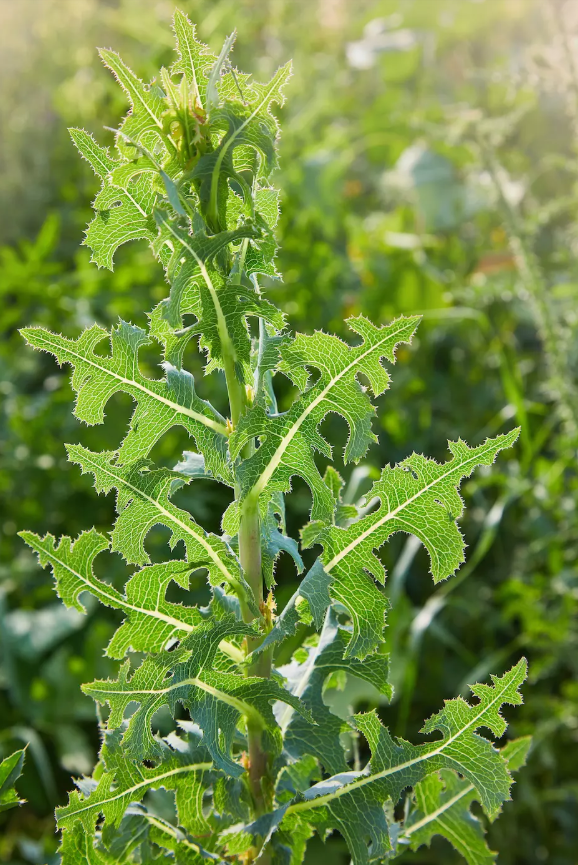
1. Overview of Lactuca Serriola (Prickly Lettuce)
Origins and Identification
Prickly lettuce is native to Europe and Asia but has spread across the world. It is characterized by its tall, slender growth, bluish-green leaves with prickly edges, and small yellow flowers. Found in fields, roadsides, and gardens, this plant is easy to identify once you become familiar with its distinct features.
Historical Context
Historically, prickly lettuce was revered by the ancient Egyptians and Greeks for its sedative and pain-relieving properties. It was often used in traditional medicine as a natural remedy for insomnia, anxiety, and mild pain relief.
2. Medicinal and Nutritional Properties
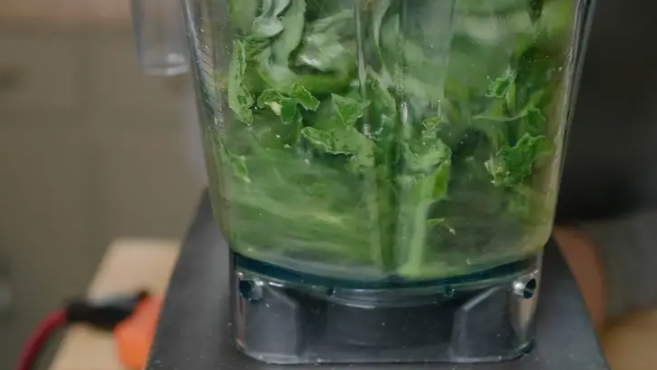
Lactucarium: The Natural Sedative
The milky sap found in prickly lettuce, known as lactucarium, has been called “lettuce opium” due to its mild sedative and analgesic properties. While not as potent as pharmaceutical sedatives, it has been used as a natural alternative for promoting relaxation and reducing discomfort.
Nutritional Content
Although it may not be as well-known as cultivated lettuce, prickly lettuce is still rich in vitamins and minerals, including vitamin A, vitamin K, and iron. These nutrients support immune function, blood health, and bone strength.
Antioxidant and Anti-Inflammatory Benefits
Prickly lettuce contains antioxidants that help combat free radicals, which contribute to cellular damage and aging. Some studies suggest that its anti-inflammatory properties can support overall health and reduce oxidative stress.
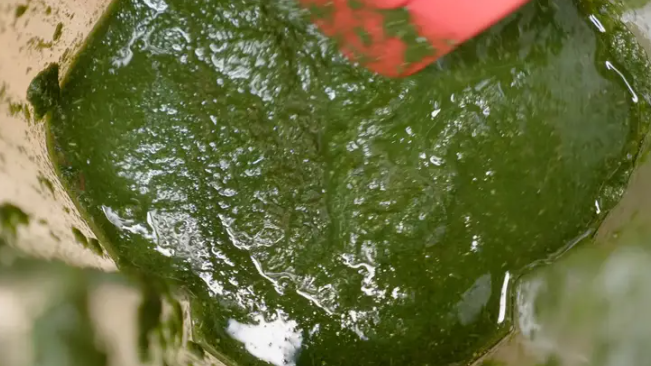
3. How to Harvest Wild Lettuce
For culinary purposes, it’s best to harvest young leaves, as older leaves develop a bitter taste. For medicinal uses, the plant’s sap (lactucarium) can be collected by making a small incision in the stem and allowing it to dry.
4. How to Use Prickly Lettuce
Medicinal Uses
Prickly lettuce has been traditionally used to address insomnia, anxiety, and pain relief. It can be consumed as a tincture, tea, or poultice to harness its therapeutic properties.
Culinary Uses
- Young leaves can be eaten raw in salads or sautéed like spinach.
- Stems can be boiled or stir-fried for a unique, earthy flavor.
- Dried leaves can be ground into a powder and added to soups or herbal infusions.
Precautions
Before consuming prickly lettuce, ensure proper identification to avoid potentially harmful lookalike plants. Additionally, always consult a healthcare professional before using it for medicinal purposes, especially if you are pregnant, nursing, or taking medications.
5. Preparing Prickly Lettuce for Medicinal Use
Drying and Storing the Leaves
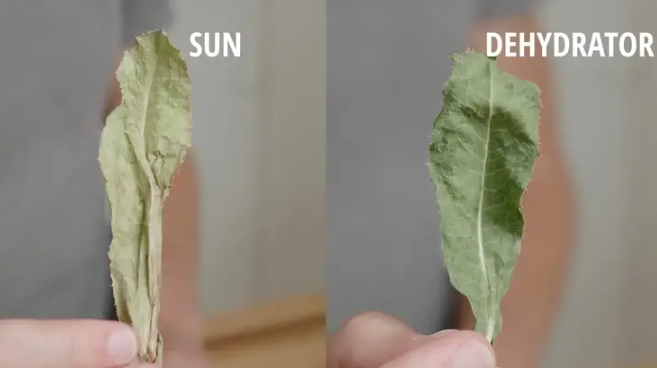
After collecting prickly lettuce, you can dry it for long-term storage or use it fresh.
- To dry: Remove the leaves and allow them to air dry in a well-ventilated space or use a dehydrator for optimal results.
- To store: Keep dried leaves in an airtight container away from light and moisture.
Making a Wild Lettuce Tincture
For those interested in extracting the active compounds, creating a tincture is a simple way to concentrate the plant’s properties.
Ingredients:
 Fresh or dried prickly lettuce leaves High-proof alcohol (190-proof recommended) A glass jar with a tight-sealing lid
Instructions:
 Place the leaves in a glass jar and cover them with alcohol.
 Seal the jar and let it sit at room temperature for a few days to two weeks.
 Strain the mixture and store the liquid extract in a dark glass
bottle.
Strain the mixture and store the liquid extract in a dark glass
bottle. Use a few drops diluted in water when needed for relaxation or mild pain relief.
Alcohol vs. Water Extraction
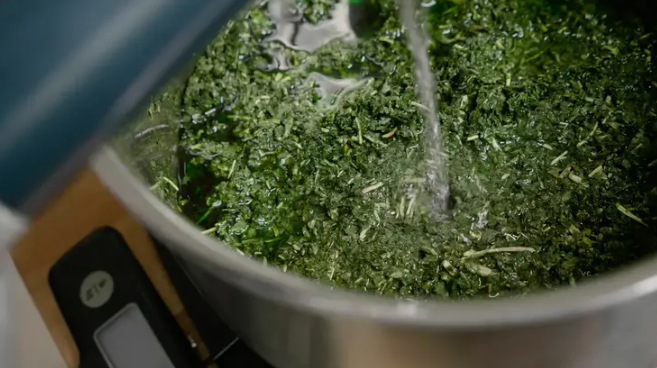
Studies suggest that lactucarium dissolves more effectively in alcohol than in water. Extracts made with alcohol tend to have a more potent, bitter taste, indicating a higher concentration of active compounds.
6. Refining the Wild Lettuce Extract
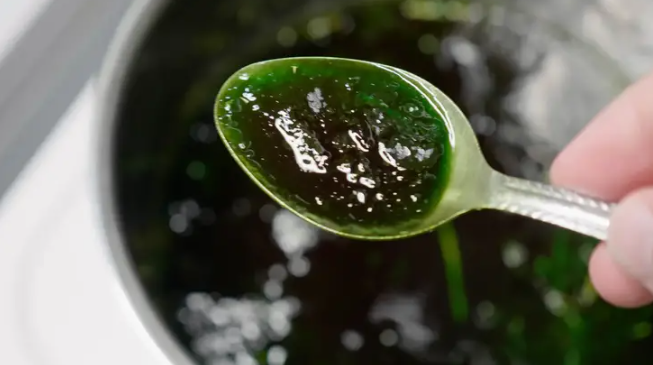
For a more concentrated product, allow the tincture to evaporate slowly until it reaches a syrupy consistency. This extract can be stored in the refrigerator or freezer for long-term use. Alternatively, drying the thickened extract on a silicone pad in a dehydrator can create a resinous final product.
Optimal Dosage and Usage
Since potency can vary, start with 2-3 dropperfuls diluted in water in the evening to assess its sedative effects. Adjust the dosage based on your needs, but always begin with small amounts.
Final Thoughts
Lactuca serriola, or prickly lettuce, proves that some of nature’s most powerful remedies often go unnoticed. Whether you’re drawn to its medicinal properties, culinary uses, or historical significance, this resilient plant offers a wealth of benefits. With proper identification and preparation, it can become a valuable addition to your garden, kitchen, and natural medicine cabinet.
By respecting its history and understanding its uses, you may find that prickly lettuce has a well-deserved place in your wellness routine. Always approach its use with caution, and consult a healthcare professional before incorporating it into your daily regimen. If used mindfully, this wild lettuce could be the next great discovery in your journey toward natural health and healing.

Nhận xét
Đăng nhận xét