Chuyển đến nội dung chính

Crispy Pan Fried Fish in Minutes

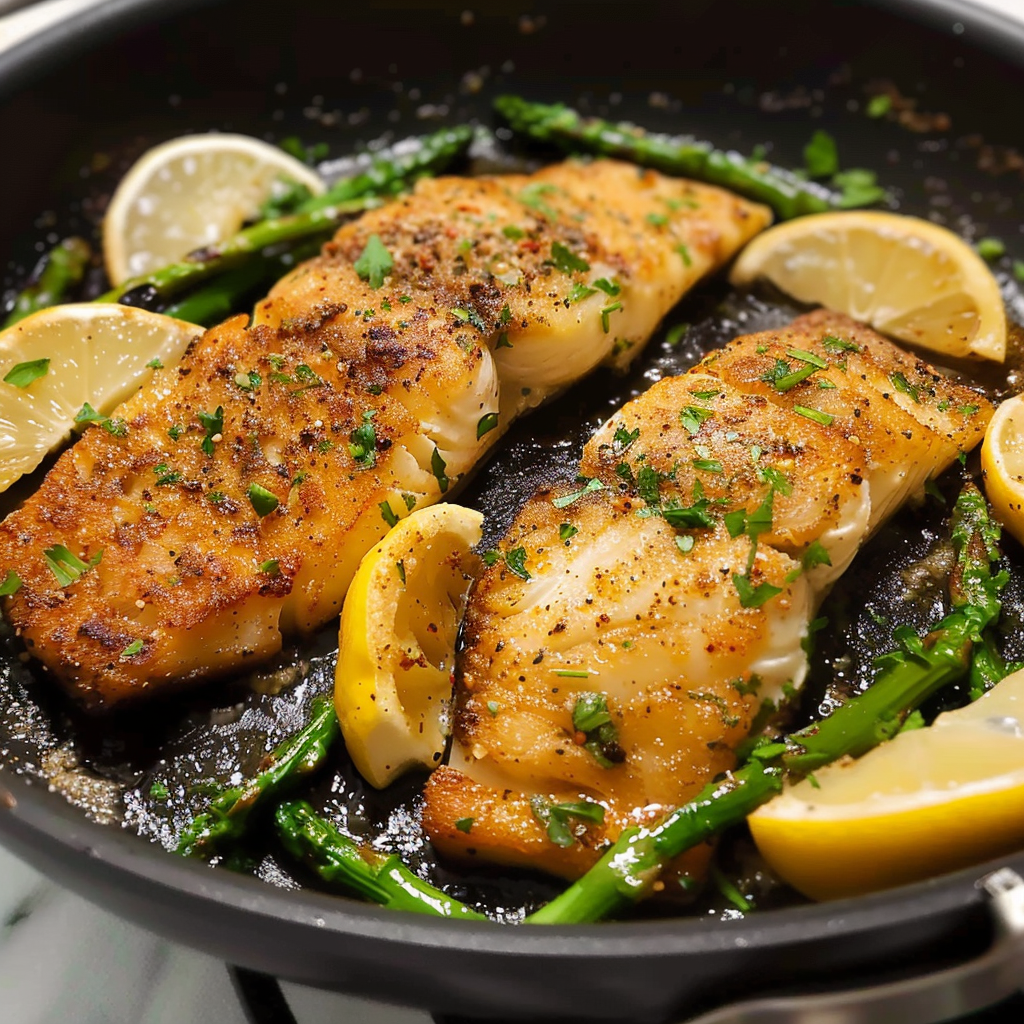
 Are you craving restaurant-quality pan fried fish with a shatteringly crisp golden crust and tender, juicy interior? Look no further than this easy stovetop method that delivers perfect results in under 5 minutes! Forget sad, soggy fish or fillets stubbornly glued to the pan. With a few simple tips, you’ll be frying up crispy, flavor-packed fish for quick dinners all the time.

Why You’ll Love This Crispy Pan Fried Fish:

  • Quick and easy, taking just 5 minutes for fresh or frozen fish fillets
  • Minimal ingredients needed – just fish, flour, oil and seasonings
  • Crispy, evenly golden brown exterior with moist, flaky fish inside
  • Budget-friendly way to enjoy high-quality fish at home
  • Simple tips ensure fish releases easily from the pan, no sticking!
  • Delicious with just a squeeze of lemon or dress it up with sauces

The Secrets to Crispy Pan Frying Fish:

  1. Use a heavy skillet or cast iron pan for even browning.
  2. Heat the pan first before adding oil to prevent sticking.
  3. Pat fish very dry and dredge in flour, shaking off excess.
  4. Let the fish cook undisturbed until it naturally releases from the pan.

What You’ll Need:

  • Fresh or frozen fish fillets like tilapia, cod, haddock (about 5-6 oz each)
  • All-purpose flour or rice flour for coating
  • Oil with a high smoke point like vegetable, canola or peanut oil
  • Seasonings like salt, pepper, paprika, cajun seasoning, dried herbs
  • Lemon wedges for serving

How to Crispy Pan Fry Fish in Minutes:

  1. Pat the fish fillets very dry with paper towels and season both sides with salt, pepper and any other desired spices like paprika or cajun seasoning.
  2. Dredge the fish in flour on both sides, pressing so it adheres. Shake off any excess very well.
  3. Heat a heavy pan or skillet over medium-high heat until lightly smoking. Add just enough oil to lightly coat the bottom of the pan.
  4. Carefully add the fish fillets, leaving space between them. Let cook undisturbed for 2-3 minutes until golden brown and crispy on the bottom.
  5. Using a thin spatula, gently flip each fillet and cook for 2 more minutes until cooked through. If sticking initially, don’t force it – let it keep cooking until it releases itself.
  6. Transfer the crispy pan fried fish to plates and serve hot, garnished with lemon wedges, fresh herbs like parsley or dill, and sauce on the side if desired.
Dressing It Up: Sauce Ideas for Fish

While the golden crust and moist, flaky fish is outstanding on its own with just a squeeze of lemon, sauces add an extra punch of flavor! Try a rich lemon butter sauce, creamy dill sauce, remoulade, cocktail sauce or a buttery white wine sauce.

Tips for Make-Ahead

Crispy pan fried fish is best enjoyed right after cooking when the crispy exterior is at its peak. However, you can coat the fish in flour and refrigerate for a day ahead. Simply cook per recipe instructions when ready to serve.Ezoic

There’s no need to feel intimidated about pan frying fish at home. With a few easy tips, you’ll have a crispy, restaurant-quality main dish ready in minutes! Paired with roasted veggies, a fresh salad or buttery rice, crispy pan fried fish makes a satisfying and impressive meal any night of the week.

Nhận xét

Bài đăng phổ biến từ blog này

6 hierbas poderosas que pueden ayudar a promover la circulación sanguínea saludable de forma natural.

  Muchas personas mayores de 40 años notan cambios sutiles en la sensación de sus piernas después de largos períodos sentadas o de pie: tal vez una sensación de pesadez, una leve molestia o ese cansancio que aparece durante las actividades cotidianas. Según los CDC (Centros para el Control y la Prevención de Enfermedades de EE. UU.), hasta 900.000 estadounidenses se ven afectados cada año por el tromboembolismo venoso (TEV), incluida la trombosis venosa profunda (TVP), y el riesgo aumenta con la edad. Estos problemas suelen derivarse de factores como la disminución de la actividad física, los cambios naturales en los vasos sanguíneos con el paso del tiempo o la inflamación y el estrés oxidativo cotidianos que afectan el flujo sanguíneo. Pero aquí viene la parte alentadora: ciertas hierbas comunes de cocina , con uso tradicional respaldado por investigaciones recientes, ofrecen formas suaves de promover una circulación sanguínea más fluida mediante antioxidantes, relajación de los ...

💧 Beber agua con el estómago vacío al despertarse: beneficios reales, mitos y la mejor forma de hidratarse

Beber agua nada más levantarse es una de las rutinas de bienestar más sencillas que existen. Después de pasar varias horas durmiendo sin consumir líquidos, muchas personas sienten sed al despertar y encuentran agradable comenzar el día con un vaso de agua. En internet, sin embargo, esta costumbre suele presentarse acompañada de afirmaciones mucho más llamativas: que beber agua con el estómago vacío “elimina toxinas”, acelera radicalmente el metabolismo, limpia el intestino, quema grasa o incluso previene determinadas enfermedades. La realidad es más sencilla y, al mismo tiempo, más interesante. Beber agua al despertarse puede ser una buena manera de comenzar a cubrir las necesidades diarias de líquidos , pero no existe una razón fisiológica para considerar el agua tomada en ayunas como una bebida milagrosa. A continuación analizamos qué sucede realmente en el organismo, qué beneficios son razonables, cuáles son exageraciones y cómo incorporar este hábito de una manera práctica y segura...

💧 Beber agua con el estómago vacío al despertarse: beneficios reales, mitos y la mejor forma de hidratarse

  Beber agua nada más levantarse es una de las rutinas de bienestar más sencillas que existen. Después de pasar varias horas durmiendo sin consumir líquidos, muchas personas sienten sed al despertar y encuentran agradable comenzar el día con un vaso de agua. En internet, sin embargo, esta costumbre suele presentarse acompañada de afirmaciones mucho más llamativas: que beber agua con el estómago vacío “elimina toxinas”, acelera radicalmente el metabolismo, limpia el intestino, quema grasa o incluso previene determinadas enfermedades. La realidad es más sencilla y, al mismo tiempo, más interesante. Beber agua al despertarse puede ser una buena manera de comenzar a cubrir las necesidades diarias de líquidos , pero no existe una razón fisiológica para considerar el agua tomada en ayunas como una bebida milagrosa. A continuación analizamos qué sucede realmente en el organismo, qué beneficios son razonables, cuáles son exageraciones y cómo incorporar este hábito de una manera práctica y ...