If you’re lucky enough to have culantro (Eryngium foetidum) growing in your garden, you possess a hidden gem. Known for its distinctive aroma and a wealth of health benefits, this tropical herb often takes a backseat to its well-known relative, cilantro. However, culantro’s unique flavor and medicinal properties make it a standout worth celebrating.
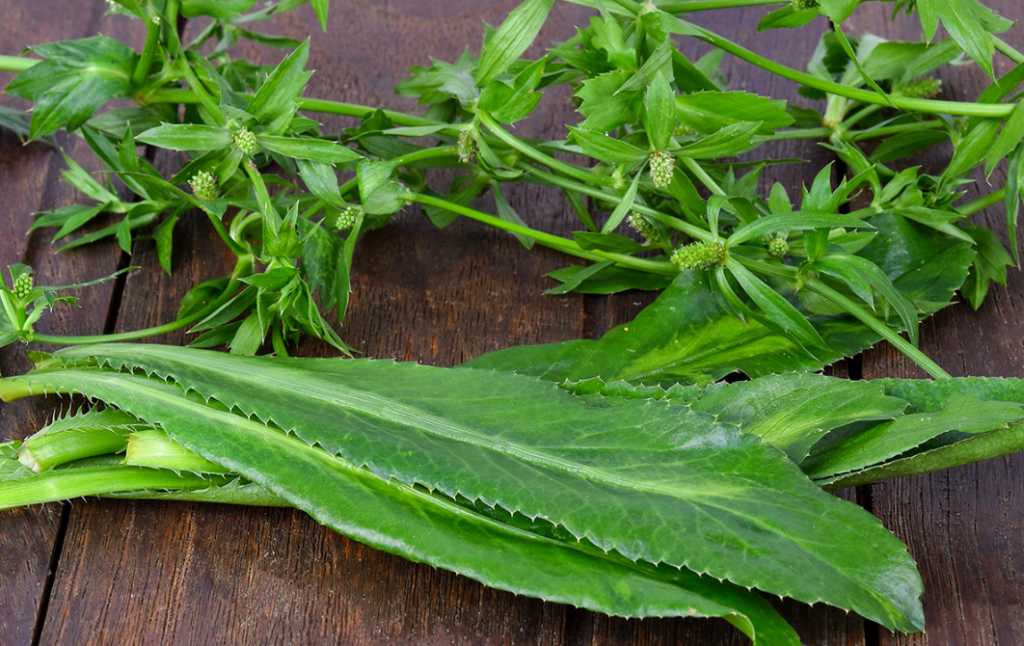
What is Culantro? Culantro, also called long coriander or sawtooth herb, is a tropical plant cherished in Latin American, Caribbean, and Southeast Asian cuisines. With its serrated leaves and robust, earthy fragrance, culantro is a culinary staple in soups, stews, and marinades. But its potential goes far beyond the kitchen, extending into traditional medicine and natural wellness.
Health Benefits of Culantro
Rich in Nutrients
Culantro is a powerhouse of vitamins A,
C, and K, along with essential minerals such as calcium, iron, and phosphorus.
These nutrients promote healthy skin, strong bones, and a robust immune
system.
Digestive Aid
For centuries, culantro has been used
to alleviate digestive issues like bloating, indigestion, and diarrhea. Its
natural compounds help calm the stomach and improve gut health.
Anti-Inflammatory Properties
Culantro contains antioxidants that
combat inflammation, making it useful for managing arthritis, sore muscles,
and other inflammatory conditions.
Respiratory Health
With antimicrobial properties, culantro
has been used in herbal remedies to relieve respiratory conditions such as
asthma, colds, and congestion. Its natural compounds help clear airways and
reduce infections.
Detoxifying Effects
In many cultures, culantro is believed
to support liver health and aid in detoxification, helping to flush out
harmful toxins and promote vitality.
How to Use Culantro
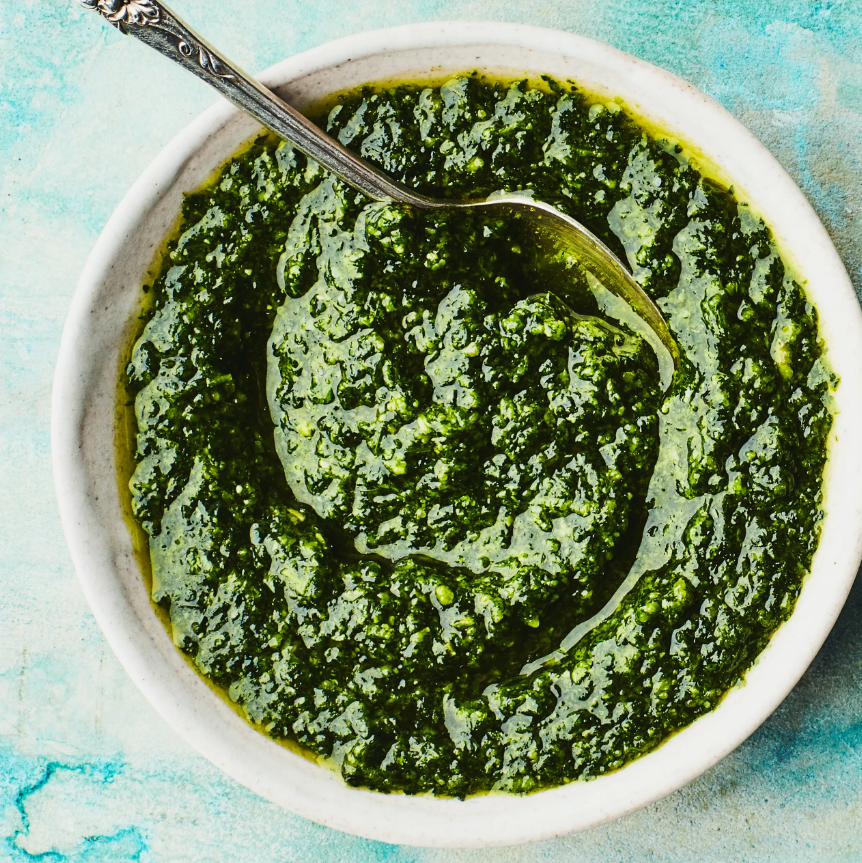
In Cooking
- Add chopped culantro to soups, stews, or curries to infuse a bold, herbal flavor.
- Blend it into marinades or sauces for meat and seafood.
- Use it as a garnish to enhance the taste and aroma of any dish.
As a Natural Remedy
- Culantro Tea: Steep a few leaves in hot water to create a soothing tea that aids digestion and boosts immunity.
- Poultice: Crush fresh leaves and apply them to wounds or insect bites to reduce swelling and promote healing.
How to Grow Culantro in Your Garden
Location
Place it in partial shade to replicate
its natural habitat.
Soil
Use well-draining soil enriched with
organic matter for optimal growth.
Watering
Keep the soil consistently moist but
avoid overwatering.
Harvesting
Pick the outer leaves regularly to
encourage new growth and maintain plant health.
Why Culantro Deserves a Spot in Your Garden Culantro is more than an herb—it’s a versatile natural resource that combines culinary excellence with medicinal benefits. Its ability to enhance dishes and provide remedies for common ailments makes it invaluable. Whether you’re crafting a flavorful dish or seeking a natural solution for your health, culantro proves itself as a tiny powerhouse of wellness.
Embrace this underrated herb in your garden and discover its many wonders.
With culantro, you’ll have a natural pharmacy and a culinary secret at your
fingertips. 

Nhận xét
Đăng nhận xét